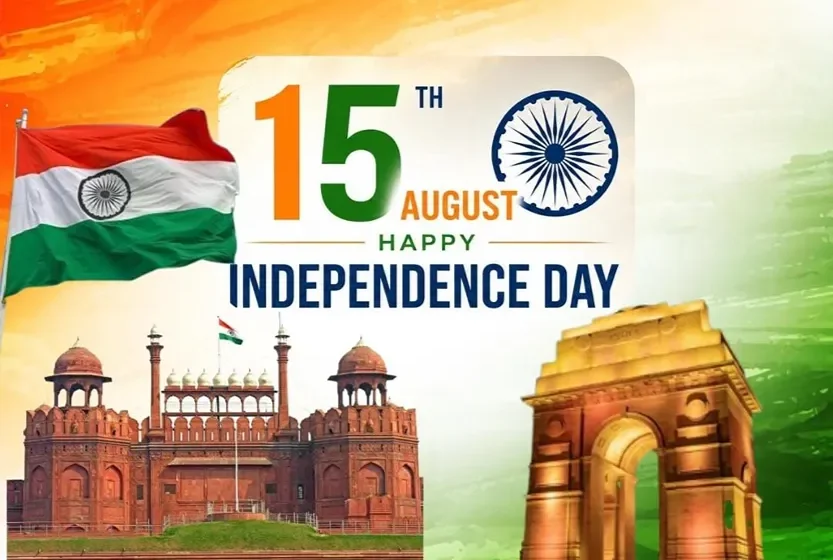

Every year on 15 August, India celebrates Independence Day to mark the historic moment when the country broke free from nearly two centuries of British colonial rule. The day represents not only the achievement of political freedom but also the beginning of India’s journey as a democratic nation determined to build its own future.
From the struggles of freedom fighters to becoming one of the world’s largest economies, India’s journey after independence reflects decades of political transformation, economic development, technological progress and global ambitions. However, the celebration of freedom also brings attention to the challenges that continue to shape the country’s future.
- BCI-NALSAR Crisis: What the Supreme Court Questioned
- Bulldozer Justice: The Alarming Question Behind Demolitions
- Pahalgam Attack 2025: The Attack That Challenged Kashmir’s Security Narrative
- Uttarakhand Cloudburst: How Extreme Weather Threatens India-China Border Infrastructure
- Mecca Agreement: A New Security Order Taking Shape?
The Freedom Struggle and Birth of Independent India
India’s independence was the result of a long and complex struggle against British colonial rule. The British East India Company expanded its control across the Indian subcontinent after the Battle of Plassey in 1757, eventually leading to direct British Crown rule after the Revolt of 1857. The Revolt of 1857, often considered one of the earliest major challenges to British authority, became a symbol of resistance against colonial domination. Although the uprising was unsuccessful, it created a foundation for future nationalist movements.
The formation of the Indian National Congress in 1885 marked a new phase in India’s freedom movement. Over time, the organisation became a major platform for demanding political rights and self-rule. The early 20th century witnessed the rise of mass movements led by Mahatma Gandhi. His philosophy of non-violence and civil disobedience became central to movements such as the Non-Cooperation Movement, Civil Disobedience Movement and Quit India Movement of 1942.
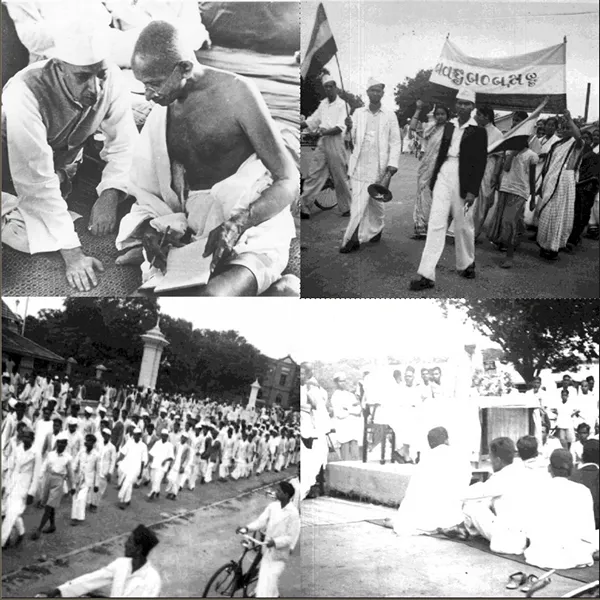
Alongside Gandhian movements, several revolutionary leaders also played a significant role in challenging British rule. Bhagat Singh, Chandrashekhar Azad and other revolutionaries inspired millions through their sacrifices. Subhas Chandra Bose and the Indian National Army attempted to achieve independence through military resistance against British forces during World War II. Leaders such as Jawaharlal Nehru, Sardar Vallabhbhai Patel, Maulana Abul Kalam Azad and countless others contributed to the political struggle that finally resulted in independence.
On 15 August 1947, India officially became an independent nation. Jawaharlal Nehru delivered his famous “Tryst with Destiny” speech, describing India’s freedom as a moment of awakening and responsibility.
Building a Nation After 1947
Independence brought enormous opportunities but also significant challenges. At the time of freedom, India faced poverty, low literacy rates, weak infrastructure and the difficult task of integrating hundreds of princely states. The adoption of the Indian Constitution on 26 January 1950 transformed India into a sovereign democratic republic. The Constitution established fundamental rights, democratic institutions and a framework for governance based on equality and justice.
India’s early decades focused on building institutions and achieving economic self-reliance. The government invested in education, scientific research, industries and infrastructure to strengthen the foundation of the nation. One of India’s major achievements was the Green Revolution during the 1960s and 1970s, which helped transform India from a food-deficient country into a nation capable of producing enough food for its growing population.
The economic reforms of 1991 marked another turning point. Liberalisation, privatisation and globalisation opened India’s economy to international markets, leading to rapid growth in industries such as information technology, telecommunications and services. In recent years, India has emerged as one of the world’s fastest-growing major economies. Digital transformation, infrastructure expansion and startup growth have further accelerated economic development.
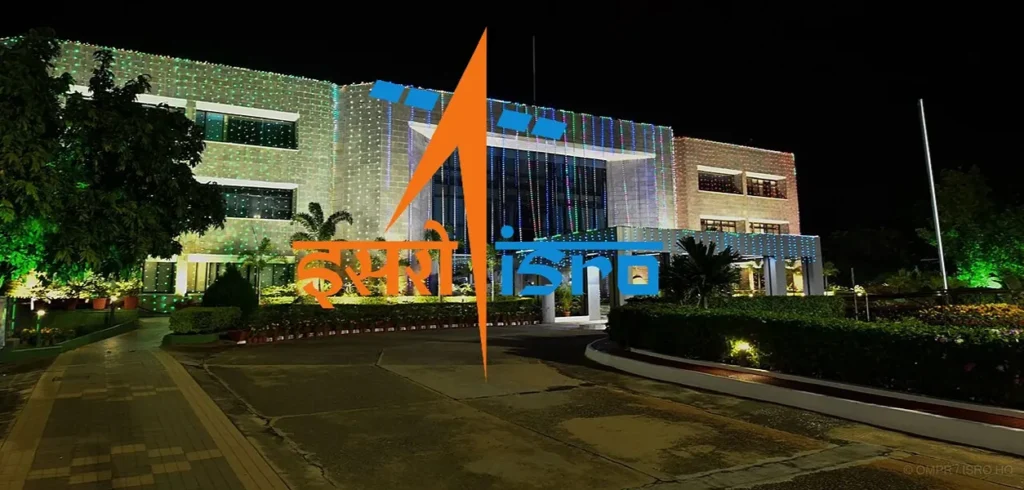
India’s technological achievements have also gained global recognition. The Indian Space Research Organisation (ISRO) has successfully completed missions such as Chandrayaan and Mangalyaan, demonstrating India’s growing capabilities in space technology.
India’s Rise on the Global Stage
Nearly eight decades after independence, India has moved beyond being a newly independent nation to becoming an important global power. India’s foreign policy has increasingly focused on strategic partnerships, economic cooperation and regional security. Its participation in platforms such as the G20, BRICS, Quad and other international forums reflects its growing influence in global affairs.
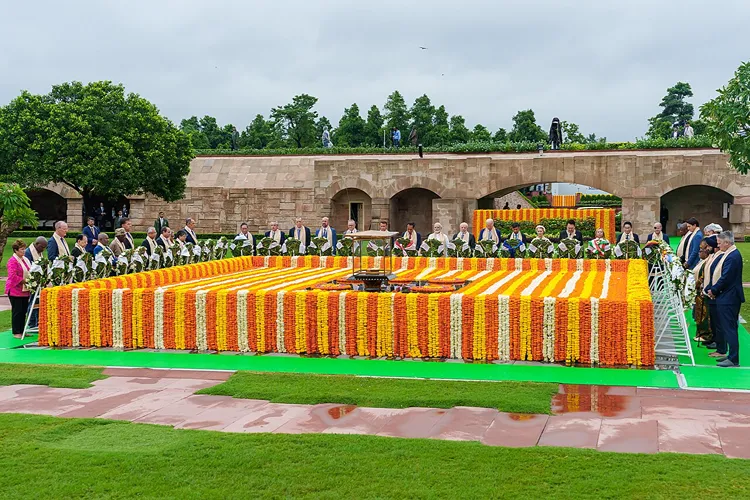
India’s G20 Presidency highlighted its efforts to represent the concerns of developing countries and promote the voice of the Global South. Issues such as digital inclusion, climate action and sustainable development became key areas of discussion. In the Indo-Pacific region, India has strengthened cooperation with countries including the United States, Japan and Australia through platforms such as the Quad. These partnerships focus on maritime security, technology cooperation and maintaining regional stability.
Source: Wikipedia
India’s defence sector has also undergone major changes. Modernisation of armed forces, development of indigenous defence technology and expansion of domestic manufacturing have become important priorities. The country’s growing economic and technological influence has also increased its role in international decision-making. From climate negotiations to global supply chains, India is increasingly viewed as a key player in shaping the future world order.
Challenges Before Independent India Today
While India has achieved significant progress since 1947, independence also requires continuous efforts to address existing challenges. Unemployment remains one of the major concerns, particularly among young people entering the workforce. Creating sufficient jobs and improving skill development are important for maintaining economic growth. Economic inequality is another challenge. While India has created significant wealth, ensuring that development benefits all sections of society remains a major policy priority.
Environmental challenges have also become increasingly important. Climate change, air pollution, water shortages and extreme weather events require stronger sustainability measures and long-term planning. India continues to face security challenges, including border disputes and threats from terrorism. Maintaining national security while pursuing economic development remains a crucial balance.
The strength of Indian democracy also depends on protecting constitutional values, independent institutions and public participation. As the world’s largest democracy, India’s ability to maintain democratic traditions remains central to its global identity.
Independence Day and the Vision for the Future
India Independence Day is not only a celebration of the past but also a reminder of future responsibilities. The sacrifices of freedom fighters created the foundation for a democratic nation, but the journey of nation-building continues. The vision of a developed India depends on economic growth, technological innovation, social inclusion and strong democratic institutions. As India moves towards becoming a major global power, the challenge will be to ensure that progress reaches every citizen.
From the struggle for freedom in 1947 to its emergence as a global force today, India’s story represents resilience, transformation and ambition. Independence Day serves as a reminder that freedom is not only about gaining sovereignty but also about continuously working towards a stronger, more inclusive and prosperous nation.
Why is India Independence Day celebrated on 15 August?
India celebrates Independence Day on 15 August because India gained independence from British colonial rule on this date in 1947.
Who delivered India’s first Independence Day speech?
Jawaharlal Nehru delivered the first Independence Day speech titled “Tryst with Destiny” on 15 August 1947.
What is the significance of the Red Fort ceremony?
The Prime Minister of India hoists the national flag at the Red Fort in Delhi every year and addresses the nation, continuing a tradition that began after independence.
How has India changed since independence?
Since 1947, India has transformed from a developing post-colonial nation into one of the world’s largest economies with major achievements in technology, space, defence and diplomacy.