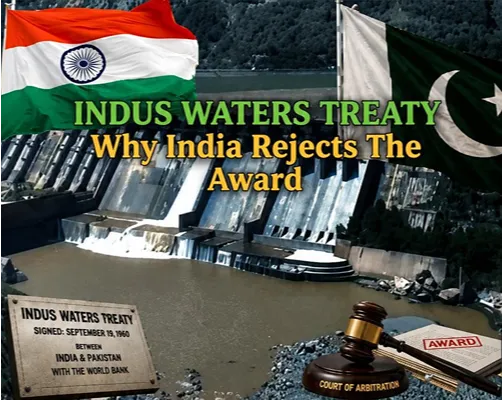

The Indus Waters Treaty has endured wars, diplomatic breakdowns and decades of hostility between India and Pakistan. Yet, the decades-old water pact now faces one of its most serious legal and geopolitical challenges. On August 31, 2026, the Court of Arbitration at The Hague ruled that the treaty remains in force, rejecting India’s position that it could be placed in abeyance. New Delhi, however, rejected the award, arguing that the tribunal was “illegally constituted” and had no jurisdiction over India’s sovereign decisions.
The dispute has therefore moved far beyond the technical management of rivers and hydropower projects. At its core is a larger confrontation over sovereignty, treaty obligations and the authority of international arbitration. With India refusing to recognise the tribunal’s jurisdiction and Pakistan relying on the ruling, the future of one of South Asia’s longest-running water agreements is entering uncertain territory.
Indus Waters Treaty: Six Decades of Water Diplomacy
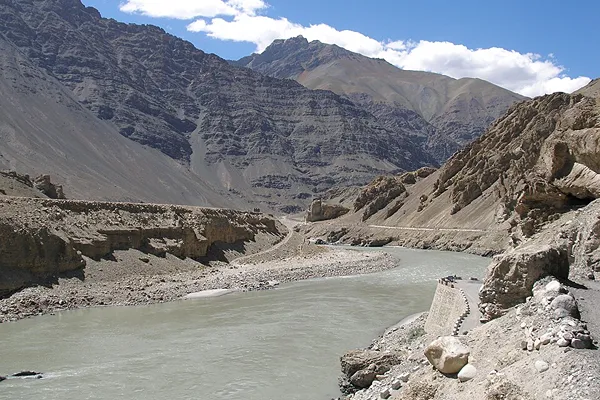
India and Pakistan signed the Indus Waters Treaty on September 19, 1960, after years of negotiations, with the World Bank serving as a key mediator. The agreement divided the six Indus basin rivers between the two countries and established the Permanent Indus Commission to support cooperation and resolve water-related issues.

While Pakistan received primary rights over the western rivers, India retained limited rights to use them for purposes such as hydropower and agriculture, subject to treaty conditions. Despite several wars and prolonged diplomatic tensions, the treaty remained operational for decades, making it one of the world’s most enduring transboundary water agreements.
| Year | Key Development |
|---|---|
| 1947 | Partition triggers water-sharing tensions |
| 1951 | World Bank joins negotiations |
| 1960 | Indus Waters Treaty is signed |
| 2010 | Kishenganga dispute enters arbitration |
| 2013 | Kishenganga arbitration award issued |
| 2016 | India announces a treaty review |
| 2025 | India places the treaty in abeyance |
| 2026 | Court of Arbitration issues its latest award |
| Aug. 31, 2026 | India rejects the arbitration award |
The treaty remains strategically important because the Indus river system supports agriculture, water security and energy development across the region.
What Did the Court of Arbitration Rule?
The latest development came from the Court of Arbitration under the treaty’s dispute-resolution framework. Pakistan had challenged India’s decision to place the treaty in abeyance, while the broader proceedings also cover disputes over Indian hydropower projects on the western rivers. On August 31, 2026, the tribunal issued two key decisions. First, it ruled that India’s decision to place the treaty in abeyance was not permissible and held that the agreement remains in force.
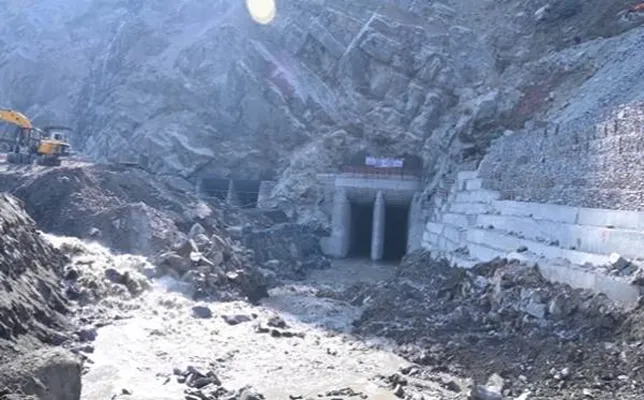
Credit: PIB
Second, the tribunal issued interim measures concerning the Ratle Hydroelectric Plant, temporarily restricting certain construction activities while the separate Neutral Expert process continues. Located on the Chenab River, Ratle is central to the dispute over India’s hydropower rights under the treaty. The case also reflects wider disagreements over the design and operation of Indian projects on the western rivers.
Why India Has Rejected the Indus Waters Treaty Award
India’s rejection of the award centres on jurisdiction. New Delhi has refused to recognise the Court of Arbitration, arguing that it was constituted contrary to the treaty’s dispute-resolution framework. India says the tribunal has no authority to rule on its sovereign decisions and has therefore stayed away from the proceedings. This means New Delhi is challenging not only the award but also the tribunal’s right to issue it.
India has reiterated that its decision to keep the Indus Waters Treaty in abeyance remains unchanged. The result is a sharp legal divide: the tribunal considers the treaty binding, while India rejects the tribunal’s jurisdiction.
How the Dispute Could Reshape India-Pakistan Ties
The Indus Waters Treaty dispute could reshape an already fragile India-Pakistan relationship. For decades, the treaty provided a channel for water cooperation despite wars and prolonged diplomatic tensions. That framework is now facing serious pressure. One immediate concern is hydropower development. India maintains that the treaty allows it to build run-of-river projects on the western rivers, subject to technical limits. Pakistan has challenged several projects, including Kishenganga and Ratle, creating repeated legal disputes.
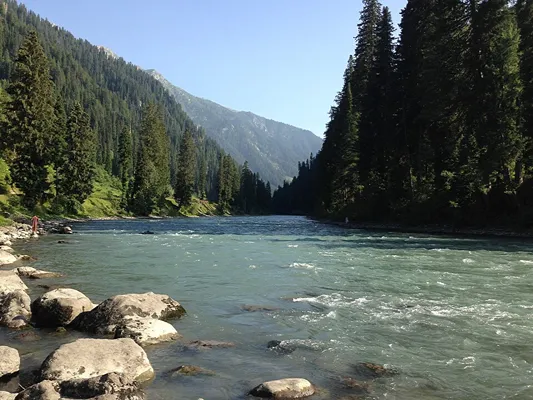
Credit: Ijazurrehman1970 / Wikimedia Commons
The crisis could also weaken routine cooperation. Continued diplomatic tensions may affect meetings of the Permanent Indus Commission, along with data sharing and other technical exchanges. More importantly, water is becoming part of the wider security relationship. India placed the treaty in abeyance after the April 2025 Pahalgam terror attack, which killed 26 people. New Delhi linked the move to its broader response towards Pakistan.
As a result, the Indus dispute is no longer simply about water management. It has become another pressure point in the wider India-Pakistan strategic confrontation.
Indus Waters Treaty: From Cooperation to Confrontation
The Indus Waters Treaty dispute has moved far beyond the technical sharing of river waters. It now sits at the intersection of India-Pakistan relations, national security, treaty obligations and international arbitration. While the Court of Arbitration maintains that the treaty remains in force, India rejects the tribunal’s jurisdiction and continues to stand by its decision to keep the agreement in abeyance.
The next phase could centre on the Neutral Expert process, hydropower projects such as Ratle, and renewed diplomatic pressure. For Pakistan, the dispute is closely linked to water security and agricultural stability. For India, it increasingly involves sovereignty, strategic interests and its broader approach towards Pakistan.
The implications could also extend across South Asia. Climate change, shifting rainfall patterns, melting glaciers and rising water demand may intensify pressure on shared river systems. If India and Pakistan fail to restore a workable mechanism for cooperation, the Indus dispute could become a wider test of whether international water treaties can withstand prolonged geopolitical tensions.
Conclusion
The latest confrontation shows that the Indus Waters Treaty is no longer merely a framework for managing shared rivers. Its future is increasingly tied to the wider strategic relationship between India and Pakistan. For now, the two sides remain divided over both the treaty’s status and the authority of the arbitration process. Unless a diplomatic channel emerges, the Indus Waters Treaty dispute, hydropower tensions and water-security concerns are likely to remain important pressure points in bilateral relations.
What is the Indus Waters Treaty?
The Indus Waters Treaty is a 1960 agreement between India and Pakistan that governs the use of six major rivers in the Indus basin.
Why did India put the Indus Waters Treaty in abeyance?
India placed the treaty in abeyance in 2025 as part of its response to the Pahalgam terror attack and the wider deterioration in relations with Pakistan.
What did the Court of Arbitration decide in August 2026?
The tribunal ruled that the treaty remains fully in force and that India’s decision to place it in abeyance was not permissible under the treaty or applicable international law.
Why does India reject the arbitration award?
India says the Court of Arbitration was illegally constituted and has no jurisdiction over India’s sovereign decisions. New Delhi has also refused to recognise the tribunal’s proceedings.
What happens next in the Indus Waters dispute?
The separate Neutral Expert process and the dispute over hydroelectric projects will remain important. At the same time, India and Pakistan face a difficult diplomatic challenge over the treaty’s future.