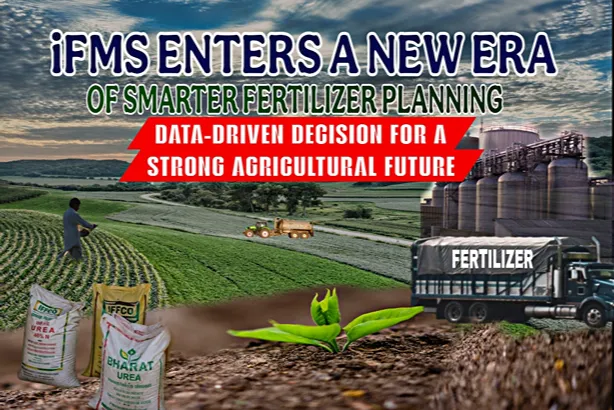

India’s Fertilizer Network Is Moving Beyond Simple Tracking
India’s fertilizer management system is entering a significant digital phase. The iFMS fertilizer network is increasingly being used to connect supply, stock, sales and subsidy data. This shift could change how fertilizer availability is monitored across the country. More importantly, it could help policymakers make faster decisions when demand or supply conditions change. The development comes as fertilizer security remains closely linked with food security. India must balance domestic production, imports, logistics, seasonal demand and regional availability.
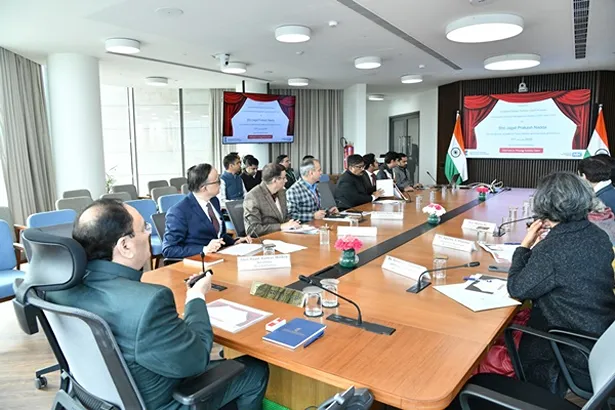
On August 30, 2026, the Department of Fertilizers highlighted a new phase of iFMS. The government said data analytics are being used to study consumption patterns and monitor fertilizer availability down to the district level. The network now covers more than 14 crore Aadhaar-linked farmers and over 2.5 lakh retailers. It also supports annual fertilizer sales of more than 7 crore metric tonnes. The development signals a broader change. iFMS is moving from transaction management toward a more integrated data-driven fertilizer ecosystem.
How iFMS Is Turning Fertilizer Data Into Smarter Planning
The Integrated Fertilizer Management System (iFMS) was created to digitally manage fertilizer distribution and subsidy processes. Today, its scope covers several stages of the fertilizer chain. These include requirements, supply planning, procurement, production, imports, movement, stocks, retail sales and subsidy processing. The National Informatics Centre’s e-Urvarak overview explains how iFMS connects these activities through a common digital platform. The process begins before fertilizer reaches a retailer.
State governments provide seasonal and monthly requirements. The Department of Fertilizers then prepares supply plans. Manufacturers and importers are subsequently involved in meeting those requirements. Fertilizer movement is then monitored through the system. Stocks are tracked at different points. Finally, retail sales are recorded through electronic Point of Sale devices. This creates a continuous flow of information.
The government can therefore compare planned requirements with actual availability and sales. That comparison is becoming increasingly important for supply planning. During the 2026 Kharif season, fertilizer movement continued to be monitored through iFMS. State-wise requirements, availability, sales and closing stocks were also being reviewed.
Key Data Flows and Transactions in iFMS
| Stage | Key transaction/data | What it captures | Why it matters |
|---|---|---|---|
| 1 | Demand assessment | State and district requirements | Establishes expected demand |
| 2 | Supply planning | Monthly state-wise allocation | Matches supply with requirements |
| 3 | Domestic production | Production and opening stock | Tracks domestic availability |
| 4 | Imports | Imported fertilizer and raw materials | Helps bridge supply gaps |
| 5 | Dispatch | Movement from plants and ports | Tracks outbound supplies |
| 6 | Transportation | Rail and road movement | Monitors logistics |
| 7 | State receipt | Quantity received by states | Confirms supply arrival |
| 8 | Stock management | Available inventory | Identifies supply pressure |
| 9 | Retail distribution | Movement to retailers | Measures last-mile availability |
| 10 | PoS sales | Retail sales | Captures consumption |
| 11 | DBT/subsidy | Sale-linked subsidy data | Supports subsidy management |
| 12 | Analytics | Consumption and supply patterns | Supports better planning |
The NIC says e-Urvarak captures transactional data from seasonal requirements through production, imports, movement and retail sales. It also links actual PoS sales with subsidy disbursement. This makes the system more than a simple stock-tracking platform. It creates a feedback loop between demand, supply, movement, sales and subsidy.
Why Fertilizer Data Matters for India’s Strategic Security
Fertilizer availability has consequences far beyond agriculture. A shortage during a critical sowing period can increase costs for farmers. It can also affect planting decisions and crop production. Therefore, fertilizer management has become an important component of food security. India also operates within a volatile global fertilizer market. Domestic production is crucial, but imports remain important for bridging gaps between demand and supply. Global prices can change quickly. Shipping disruptions can also delay supplies.
Geopolitical tensions may further affect access to raw materials and finished fertilizers. The government has responded by expanding domestic capacity and diversifying import sources. In July 2026, the government said six new urea plants had increased indigenous urea capacity to 269.42 lakh metric tonnes per annum. It also said 42.7 lakh tonnes of urea had been secured through global tenders in April and June. These measures show that physical supply remains the foundation of fertilizer security. However, digital visibility adds another layer.
If an international disruption affects imports, authorities need to know where stocks are available. They also need to know where demand is rising. This is where iFMS fertilizer data becomes strategically useful. The system can provide visibility across different stages of the domestic supply chain. That visibility can support decisions on allocation, movement and replenishment. However, iFMS should not be presented as a replacement for production or imports. Instead, it is a tool that can make those physical supply systems easier to manage.
From Fertilizer Transactions to Strategic Intelligence
The latest development is particularly important because the system is increasingly being connected with analytics. According to the Department of Fertilizers, the newer iFMS framework integrates production, imports, logistics, stocks, farmer and land information, fertilizer booking, retail transactions and subsidy processing. Better dashboards and analytical capabilities are also providing decision-makers with a broader view of fertilizer conditions.
That changes the policy question. Earlier, the focus was largely on where fertilizer is. The emerging question is where fertilizer will be needed next. That distinction is significant. If consumption patterns can be identified earlier, supply planning can potentially become more responsive. However, such forecasting depends on reliable data. It also requires coordination between the Centre, states, manufacturers, importers and logistics agencies.
What Comes Next: From Tracking Supplies to Predicting Demand
The future of iFMS fertilizer management will depend on how effectively its growing datasets are converted into better decisions. The government already receives information on fertilizer requirements, availability, sales, stocks and movement. When these datasets are compared across regions and seasons, emerging consumption patterns can be identified. For instance, unusually high sales may indicate stronger regional demand. Meanwhile, declining stocks could signal the need for additional supplies. Differences between projected requirements and actual sales can also help refine future supply plans.
This creates the foundation for a more responsive system. However, data analytics cannot replace fertilizer production, imports or logistics. Instead, it can help authorities identify supply pressures earlier and coordinate responses during critical agricultural periods. The digital ecosystem is also expanding beyond conventional fertilizers. In March 2026, the government reported that 120 Compressed Biogas (CBG) and biogas plants had been registered on the iFMS portal to facilitate the sale of organic fertilizers under the Market Development Assistance scheme.
This expansion shows how iFMS is gradually evolving into broader digital infrastructure for fertilizer governance. By connecting more stakeholders, products and datasets, the platform could strengthen transparency, supply-chain coordination and future demand planning. The larger shift is therefore clear: iFMS is moving beyond monitoring fertilizer transactions toward using data to support smarter and more responsive supply management.
India’s Next Fertilizer Advantage May Be Data
India’s fertilizer strategy is increasingly linked to its broader economic and food security. Fertilizer availability affects farm production, food supplies, rural incomes and inflation. At the same time, global fertilizer markets remain exposed to geopolitical tensions, price fluctuations and supply disruptions. India therefore needs a combination of domestic production, diversified imports, reliable logistics and long-term supply arrangements.
This is where iFMS fertilizer management can add another layer of resilience. By connecting data on requirements, stocks, movement and sales, the system can provide a clearer picture of how external disruptions affect domestic supply. The immediate advantage is better visibility. The longer-term opportunity is smarter planning.
When consumption patterns are analysed alongside regional requirements and stock levels, supply decisions can potentially be made more quickly. This could help authorities respond more effectively to seasonal demand and emerging supply pressures. However, digital monitoring cannot replace physical fertilizer security. Domestic manufacturing, imports, logistics and international partnerships will remain essential.
The real advantage comes from combining physical supply capacity with better information. India could therefore be moving toward a fertilizer security model based not only on how much fertilizer is available, but also on where, when and how it is needed. That shift could make data an increasingly important strategic asset in India’s fertilizer and food-security planning.
FAQs
What is the Integrated Fertilizer Management System?
The Integrated Fertilizer Management System is a digital platform used to monitor fertilizer supply and management. It connects requirements, supply planning, movement, stocks, sales and subsidy processes.
How does iFMS help fertilizer planning?
iFMS brings supply-chain data together on a common platform. This allows authorities to compare requirements, availability, sales and stocks.
How are fertilizer sales recorded in iFMS?
Fertilizer sales at retail points are recorded through electronic Point of Sale devices. The system uses actual sales data for subsidy processing.
Why is iFMS important for India’s fertilizer security?
Fertilizer availability affects agriculture and food security. iFMS provides better visibility over supplies and can support faster responses to emerging shortages.
Is iFMS now a predictive system?
The system is increasingly using analytics and consumption patterns for decision-making. However, it is more accurate to say that iFMS supports data-driven planning and forecasting rather than claiming it independently predicts shortages.