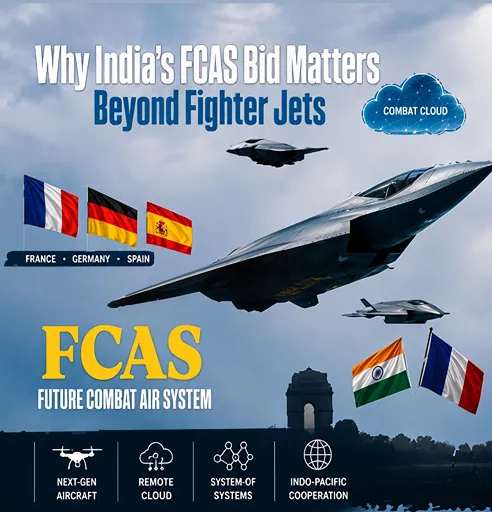

India’s Future Combat Air System (FCAS) programme push could mark a major shift in how New Delhi approaches the future of airpower. Rather than simply seeking another advanced fighter, India is looking to secure a role in the technologies that could define sixth-generation warfare. The potential partnership is significant because FCAS is built around more than a single aircraft. It combines next-generation fighters with unmanned systems, advanced sensors, artificial intelligence, electronic warfare and a connected combat network.
For India, participation could open access to critical technologies while strengthening domestic aerospace manufacturing and research capabilities. It could also deepen India-France defence cooperation and give New Delhi a greater stake in the global race for next-generation military aviation. The bigger question is whether India can secure meaningful co-development and access to technology, rather than becoming only a customer or an assembly partner. If it succeeds, the FCAS programme could influence not only India’s future fighter fleet but also its long-term ambitions as a major defence technology power.
FCAS: How It Works and Who Developed It
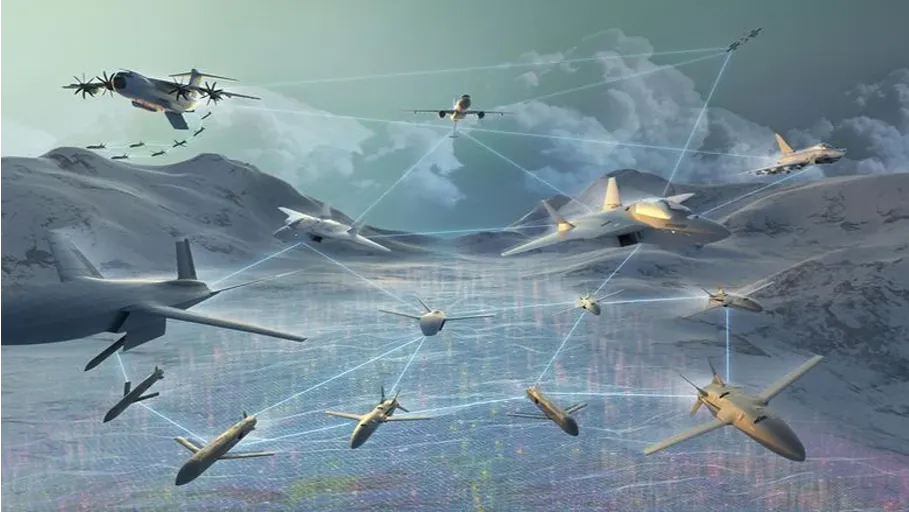
The Future Combat Air System (FCAS) is more than a next-generation fighter. It is a “system of systems” combining the New Generation Fighter (NGF) with unmanned Remote Carriers, advanced sensors and a connected Combat Cloud. The FCAS programme was launched by France and Germany in 2017, with Spain joining in 2019, and involves major companies such as Dassault Aviation, Airbus and Indra.
FCAS is built around manned-unmanned teaming, artificial intelligence, secure connectivity and real-time data sharing across air, land, sea, space and cyberspace. While the project aims to strengthen European defence independence, disagreements over industrial leadership and work-sharing have complicated its development. By 2026, the fighter component had undergone restructuring, with France taking a leading role as the programme continues to evolve.
Why India Wants FCAS Programme
India’s interest in the FCAS programme reflects its push to remain competitive in sixth-generation military technology. In March 2026, India indicated interest in joining an international sixth-generation fighter consortium, with FCAS and the UK-Italy-Japan Global Combat Air Programme among the options. By August, the Defence Ministry had initiated efforts to “co-join” the French-led programme and sought a clearer roadmap for sixth-generation aircraft.
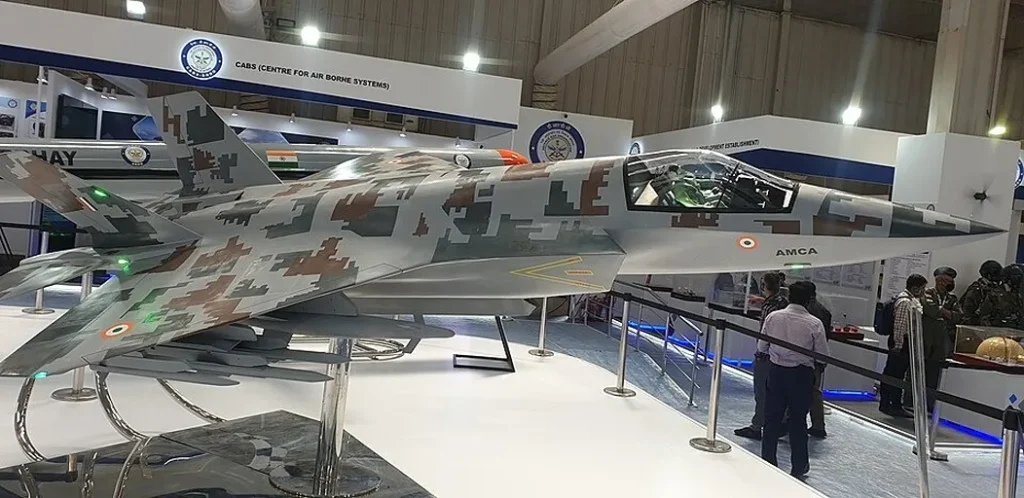
For India, the attraction goes beyond acquiring a fighter. FCAS could provide access to advanced sensors, artificial intelligence, electronic warfare, autonomous systems, secure communications, propulsion and network-centric warfare. At the same time, India is developing its indigenous AMCA fighter, allowing the two programmes to serve different purposes: AMCA can strengthen domestic aerospace capabilities, while FCAS could offer valuable international technology and development experience.
FCAS Programme: Purpose, Timeline and India’s Stakes
The Future Combat Air System (FCAS) aims to reshape air warfare by linking the New Generation Fighter (NGF) with Remote Carriers, advanced sensors and the Combat Cloud. Its focus is manned-unmanned teaming, allowing crewed aircraft and autonomous systems to share data and perform missions together.
For India, FCAS offers potential access to technologies such as artificial intelligence, electronic warfare, sensor fusion and advanced aerospace systems. However, the real value will depend on whether India secures meaningful co-development, technology transfer and manufacturing opportunities.
| Year/Category | Key Detail |
|---|---|
| 2017 | France and Germany launched FCAS |
| 2019 | Spain joined the programme |
| 2020s | NGF, Remote Carriers and Combat Cloud development advanced |
| 2025–26 | Programme underwent major restructuring |
| 2026 | India began efforts to join the French-led sixth-generation fighter initiative |
| Around 2040 | Target period for full FCAS capability |
| Main fighter | New Generation Fighter (NGF) |
| Unmanned systems | Remote Carriers |
| Network | Combat Cloud |
| India’s parallel project | AMCA |
| Core partners | France, Germany and Spain |
For New Delhi, FCAS could complement AMCA while strengthening India-France defence cooperation. The key challenge will be ensuring that India becomes a technology and development partner, not merely an aircraft buyer.
FCAS: India’s Gains and Challenges
India could gain far more from the FCAS programme than a sixth-generation fighter. Participation could bring Indian companies into advanced aerospace supply chains and strengthen capabilities in avionics, software, materials, manufacturing and unmanned systems. It could also provide experience that supports the indigenous AMCA programme.
However, the biggest challenge will be technology access and industrial workshare. India would need meaningful involvement in design, development and manufacturing rather than limited assembly roles. The FCAS programme has already faced disagreements over leadership and work distribution, making negotiations with India equally important. The partnership’s success will ultimately depend on how much technological and industrial value India secures.
FCAS and India-France Strategic Ties
A successful FCAS programme partnership could take India-France relations beyond conventional defence purchases and into advanced aerospace technology. For France, closer cooperation would strengthen its strategic role in the Indo-Pacific, while India could gain access to European expertise in next-generation combat systems, unmanned platforms and advanced aviation technologies.
The partnership would also support India’s policy of strategic autonomy. New Delhi could deepen its defence and technology ties with France while maintaining relationships with the United States, Russia, Israel, Japan and other partners. In this context, the FCAS Programme could become an important new pillar of India’s multi-alignment strategy and long-term defence modernisation.
Conclusion
India’s interest in the FCAS programme is about far more than acquiring a next-generation fighter. It reflects New Delhi’s ambition to secure a meaningful role in the technologies that will shape future air warfare. With AMCA already under development, FCAS could give India an additional pathway to advanced aerospace expertise, international collaboration and industrial capabilities. However, the partnership will only deliver lasting strategic value if India secures meaningful co-development, technology access and manufacturing participation.
If negotiated effectively, FCAS could strengthen India-France ties while accelerating India’s journey from a major defence importer to a stronger aerospace technology power. Ultimately, the fighter may be the most visible outcome, but the real prize will be the technology, expertise and industrial capacity built behind it.
What does FCAS stand for?
FCAS stands for Future Combat Air System. It is designed as a networked combat architecture centred on a next-generation fighter, unmanned systems and a Combat Cloud.
Which countries originally developed FCAS?
France and Germany launched the initiative in 2017. Spain joined the programme in 2019.
Why does India want to join the FCAS Programme?
India wants to avoid falling behind in sixth-generation military aviation. Participation could provide access to advanced technologies, industrial capabilities and international development experience.
Will FCAS replace India’s AMCA?
Not necessarily. India views international sixth-generation cooperation alongside its indigenous AMCA programme. The two could fulfil different strategic and technological roles.
What makes FCAS different from a normal fighter jet?
FCAS is a system of systems. Its concept combines crewed fighters, unmanned Remote Carriers, sensors and a Combat Cloud into one connected combat network.