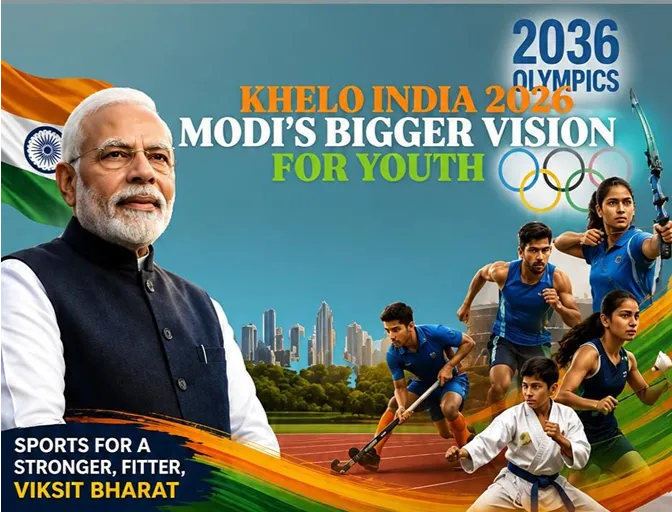

India is giving its sports strategy a wider national purpose, moving beyond medals to focus on youth development, talent and global sporting ambitions. PM Narendra Modi will address the Khelo India Dialogue on August 27, bringing young participants into a national conversation on sports, leadership and India’s future.
The dialogue comes just ahead of National Sports Day and at a crucial stage in India’s push to build a stronger sporting ecosystem. With the country eyeing the 2036 Olympic ambition, the focus is shifting towards grassroots talent, better training, sports science and long-term athlete development. At the same time, the government is positioning sports as part of the broader Viksit Bharat 2047 vision. The message is clear: India’s young population is not only the country’s future workforce but also a potential force in building its sporting and global soft-power profile.
What Will PM Modi Discuss at the Khelo India Dialogue?
Prime Minister Narendra Modi will address young participants at 11 AM on August 27, 2026, through video conferencing. The initiative is expected to reach around 1,600 locations and more than 8 lakh young people.
The dialogue will focus on strengthening India’s sports ecosystem, developing talent for the 2036 Olympic ambition, promoting youth leadership, supporting the Viksit Bharat 2047 vision and encouraging a Nasha Mukt Yuva. Through Yuva Samvaad, participants will also share their ideas and aspirations on sports and youth development.
Khelo India’s Growing National Footprint
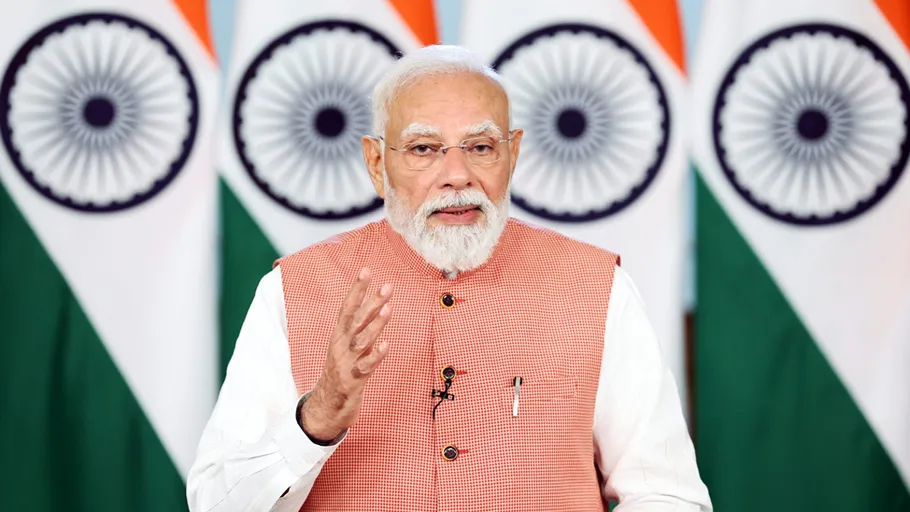
The Khelo India Dialogue 2026 highlights the growing link between sports and youth policy. PM Modi will address participants on August 27 at 11 AM through video conferencing. Organised by Mera Yuva Bharat (MY Bharat), the programme will reach around 1,600 locations and more than 8 lakh young people, with two colleges participating from every district. The event will focus on sports development, the 2036 Olympic ambition, youth leadership, Viksit Bharat 2047 and Nasha Mukt Yuva.
The programme will also include interactions with sportspersons, public representatives and MY Bharat volunteers. This nationwide format aims to connect national sports priorities with young people and sporting communities at the grassroots level.
From Olympic Ambition to Youth Development
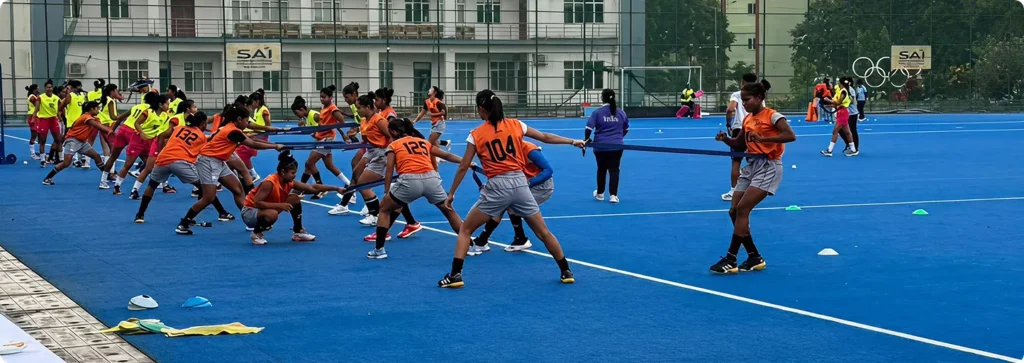
India’s 2036 Olympic ambition is a major focus of the Khelo India Dialogue. The government is emphasising scientific talent identification, transparent selection and long-term athlete development to build a stronger pipeline of athletes. However, India’s large talent pool alone cannot guarantee Olympic success. Sustained coaching, sports science, nutrition, recovery facilities and performance analysis will be essential to move athletes from grassroots competition to the international stage.
The Yuva Samvaad element adds another dimension by giving young Indians an opportunity to share their ideas, experiences and aspirations. This can help bring attention to the different challenges faced by young athletes across cities, towns and rural areas. The programme also connects youth with sportspersons, medal winners and volunteers, creating a closer link between national sports policy and grassroots communities.
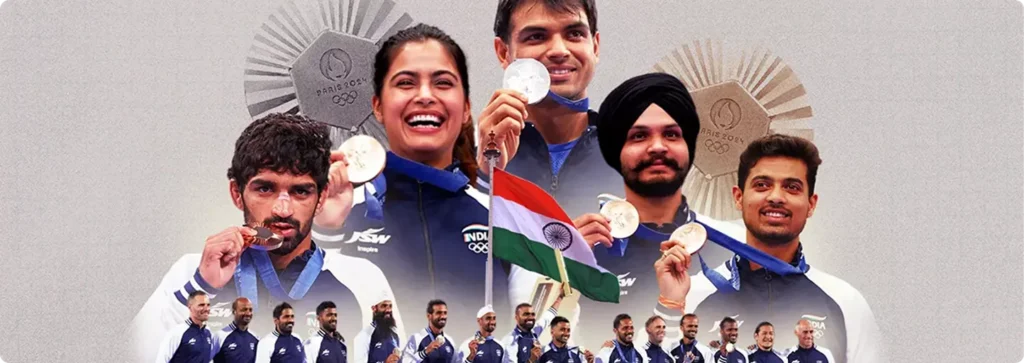
At the same time, Khelo India is being positioned as more than a medal-focused programme. Sports can promote fitness, discipline, teamwork, confidence and leadership, while supporting the Nasha Mukt Yuva campaign. This links sports with wider youth and social development.
The broader goal is Viksit Bharat 2047, where young people are expected to play a central role in national development. By combining sports, youth leadership, volunteering and fitness, Khelo India seeks to build a stronger sporting culture while developing a healthier and more confident generation.
Khelo India’s Global and Strategic Impact
India’s growing sports ecosystem can strengthen its soft power and international image. Successful athletes can become global ambassadors, while major sporting events can create opportunities for cultural exchange and diplomacy. India’s ambition to host global competitions also highlights the need for world-class infrastructure, logistics and organisational capabilities.
However, the impact will depend on strong domestic execution. Better grassroots facilities, professional coaching, sports science and clear talent pathways will be essential, especially for athletes from smaller cities and rural areas. If these improvements are sustained, sports can become an important part of India’s wider international engagement.
What Khelo India Means for India’s Future
The August 27 dialogue should be seen as part of a longer-term effort to build India’s sporting strength. Its timing ahead of National Sports Day on August 29, which honours hockey legend Major Dhyan Chand, connects India’s sporting heritage with its future ambitions.
Ultimately, Khelo India’s success will depend on what happens beyond the event. Better facilities, stronger training and wider opportunities could help India develop Olympic-level talent while promoting fitness, discipline and leadership among young people. This could make Khelo India an important pillar of India’s 2036 Olympic ambition and Viksit Bharat 2047 vision.
What is Khelo India Dialogue 2026?
It is a nationwide youth engagement programme focused on sports, youth leadership, fitness and nation-building. MY Bharat is organising it as part of the National Sports Day 2026 celebrations.
When will PM Modi address the Khelo India Dialogue?
Prime Minister Narendra Modi will address the programme on August 27, 2026, at 11 AM through video conferencing.
How many young people are expected to participate?
Government releases describe participation at around 1,600 locations, with more than 8 lakh young people expected to join the nationwide programme.
What is Yuva Samvaad?
Yuva Samvaad is the youth interaction component of the programme. It allows participants to discuss their ideas, aspirations and perspectives on sports and youth development.
How is Khelo India connected with the 2036 Olympics?
The programme specifically focuses on talent identification, transparent selection and long-term athlete development for India’s future Olympic ambitions.