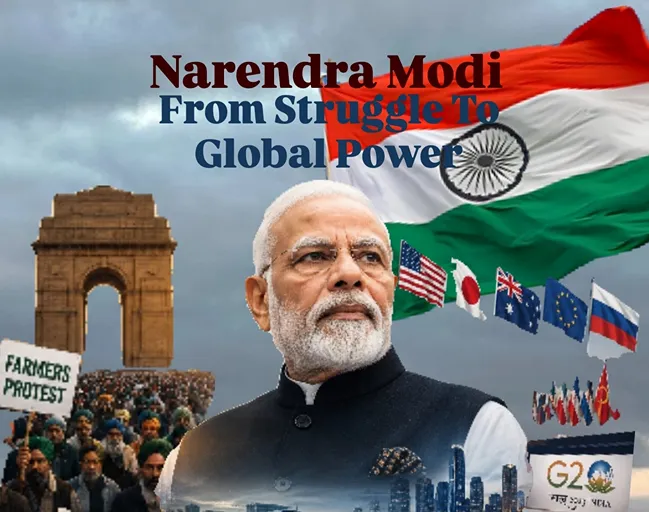

Narendra Modi is one of the most prominent figures in modern Indian politics. Born on 17 September 1950 in Vadnagar, Gujarat, he came from a modest background and began his political journey through the RSS before joining the BJP. Over the years, he built a reputation as a skilled organizer and strategist, eventually becoming Gujarat’s chief minister in 2001.
Modi’s rise to national politics came in 2014, when he led the BJP to a clear majority and became India’s prime minister. He returned to power in 2019 and began his third consecutive term in 2024. His governments have focused on infrastructure, welfare, digital development, manufacturing, economic reforms and strengthening India’s position on the global stage.
His journey, however, has also included major challenges and controversies, from the 2002 Gujarat riots and demonetisation to farmer protests, the COVID-19 crisis and debates over social and institutional issues. Supporters see Modi as a leader who has expanded India’s global influence, while critics question aspects of his economic and social policies. Today, his leadership remains central to understanding India’s domestic politics and growing geopolitical role.
Narendra Modi’s Early Life
Modi’s early years were shaped less by electoral politics and more by personal experiences and ideological training. After leaving home as a teenager, he spent time travelling across India, an experience that broadened his understanding of the country’s social and cultural diversity. His association with the RSS later gave him a structured political environment. As a pracharak, Modi handled organizational responsibilities, worked closely with volunteers and learned how to build support at the grassroots level.
The Emergency of 1975–77 became another important phase in his political development. During this period, when civil liberties were suspended under Prime Minister Indira Gandhi’s government, Modi worked within the underground opposition network. The experience strengthened his organizational skills and deepened his involvement in political activism.
Rather than seeking an elected position immediately, Modi spent years working behind the scenes. This organizational experience eventually became the foundation for his transition into the BJP and his later rise in Gujarat and national politics.
Modi’s Rise to National Power
Narendra Modi entered active BJP politics in 1987, bringing years of RSS organizational experience with him. He quickly gained recognition as a campaign strategist and party organizer, later taking on responsibilities beyond Gujarat. His political career changed course in 2001, when he became Gujarat’s chief minister. Over his tenure, his government promoted infrastructure, industrial investment and administrative reforms, helping establish the “Gujarat model” that later became central to his national campaign. However, his Gujarat years were also marked by controversy, particularly the 2002 Gujarat riots, which remained a major political challenge throughout his career.
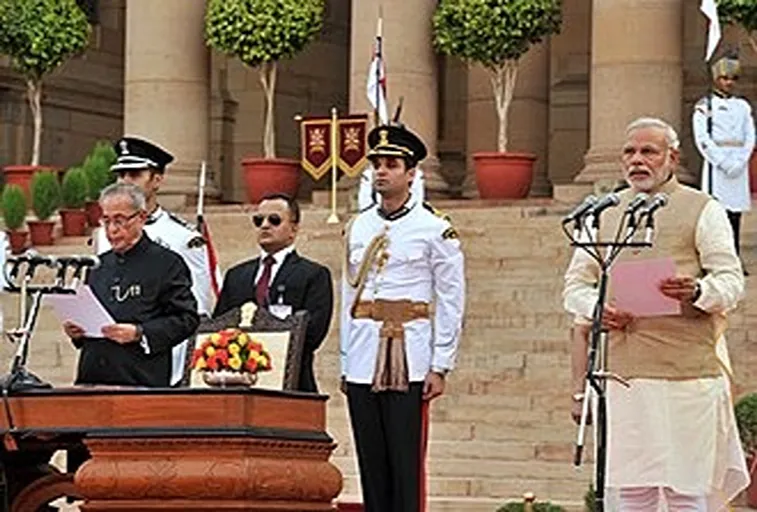
Modi’s transition to national leadership came with the 2014 Lok Sabha election, when the BJP won a clear majority and brought him to the prime minister’s office. The party strengthened its position in 2019, but the 2024 election produced a more coalition-dependent government, with the BJP relying on its NDA partners to form the government. Modi was sworn in for a third consecutive term on 9 June 2024. His electoral journey can be summarized below:
| Year | Political milestone | Significance |
|---|---|---|
| 1987 | Joined BJP’s Gujarat organization | Began active party politics |
| 2001 | Became Gujarat CM | Entered executive leadership |
| 2002 | BJP won Gujarat election | Consolidated his position |
| 2007 | BJP retained Gujarat | Strengthened his political standing |
| 2012 | BJP retained Gujarat | Last state victory before national politics |
| 2014 | BJP won 282 Lok Sabha seats | Became prime minister |
| 2019 | BJP won 303 seats | Secured a second term |
| 2024 | BJP won 240 seats | NDA formed the government |
Modi’s Foreign Relations
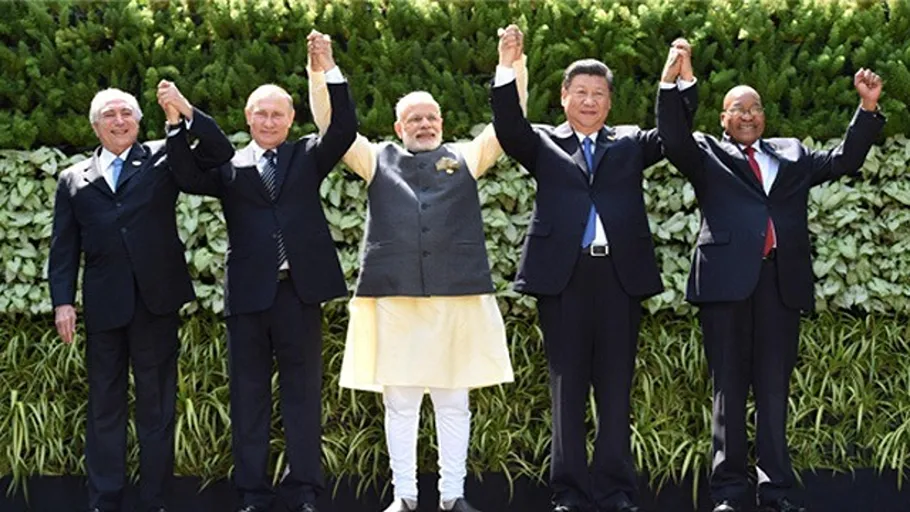
Under Narendra Modi, India has pursued a flexible foreign policy focused on national interests and strategic independence. His government has strengthened relations with major powers while avoiding dependence on any single bloc. India has expanded cooperation with the United States, Japan, Australia, France and European countries, particularly in defence, technology, investment and regional security. At the same time, New Delhi has maintained longstanding ties with Russia and managed a complex relationship with China.
Modi has also given greater attention to the Middle East and Global South, strengthening ties with countries such as the UAE and Saudi Arabia. Overall, his foreign policy seeks to increase India’s global influence while preserving its ability to make independent strategic decisions.
Modi’s Challenges, Global Rise and Future
Modi’s third term presents a different political challenge. The 2024 Lok Sabha election, in which the BJP won 240 seats, increased the importance of NDA allies and gave the opposition greater parliamentary space. Managing coalition partners, state governments and political competition will therefore be crucial to maintaining his government’s agenda.
At home, economic growth, employment, manufacturing and infrastructure remain key priorities. Earlier challenges, including demonetisation, GST implementation, the farmers’ protests and the COVID-19 crisis, continue to shape assessments of his leadership. Meanwhile, Modi has strengthened India’s strategic ties with the United States, Japan, Australia and Europe, while maintaining important relations with Russia. India’s role in the Quad, BRICS and G20 has also expanded.
Looking ahead, Modi’s biggest challenge will be turning political influence into a lasting legacy. If his government can combine economic growth, domestic stability and strategic autonomy, India could strengthen its position as a major global power. However, rising economic or social pressures could make his third term more politically competitive.
Conclusion
Narendra Modi’s journey from Vadnagar to the highest political office in India is one of the defining stories of contemporary Indian politics. Built on decades of grassroots organization, political strategy and electoral victories, his rise has reshaped both India’s domestic politics and its global image. His leadership has also faced major tests, including economic disruptions, social controversies, public protests and complex geopolitical challenges. Now in his third term, Modi must navigate coalition politics while pursuing economic growth and strengthening India’s international influence.
The years ahead will ultimately shape his lasting legacy. Whether he can translate political longevity into stronger economic performance, domestic stability and greater global influence could determine not only how his leadership is remembered, but also how India positions itself in the changing balance of power.
When was Narendra Modi born?
Narendra Modi was born on 17 September 1950 in Vadnagar, Gujarat.
How did Narendra Modi enter politics?
Narendra Modi began his organizational career with the RSS. He later joined the BJP’s Gujarat organization and gradually took on national responsibilities.
When did Narendra Modi become Gujarat chief minister?
Narendra Modi became Gujarat’s chief minister in October 2001. He remained in the position until May 2014.
What are Narendra Modi’s biggest political challenges?
His major challenges have included economic reforms, the 2002 Gujarat riots controversy, farmer protests, the COVID-19 crisis and managing coalition politics during his third term.