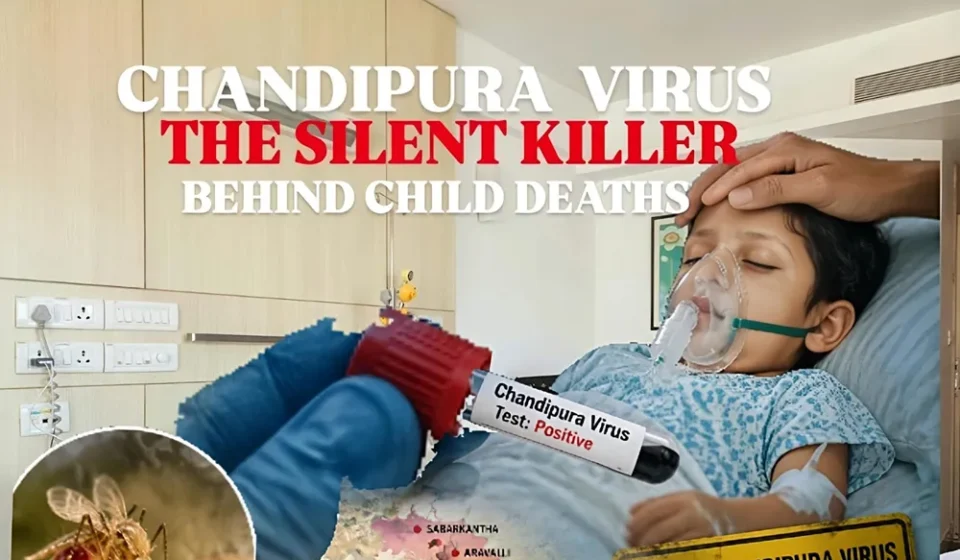

A rare viral infection has once again brought attention to India’s public health challenges. The Chandipura virus outbreak analysis reveals why this disease is considered dangerous, especially for children, due to its rapid progression and severe neurological complications.
Unlike many common viral infections, Chandipura virus can turn serious within hours. Recent cases in Gujarat have raised concerns among health officials because several young patients developed acute encephalitis symptoms before losing their lives.
What Is CHPV and Why Is It Dangerous?
Chandipura virus (CHPV) is an emerging viral infection that belongs to the Rhabdoviridae family, the same virus family that includes the rabies virus. It is considered a serious public health concern because of its ability to cause severe neurological illness, particularly among children. The virus is mainly associated with Acute Encephalitis Syndrome (AES), a condition in which the brain becomes inflamed due to viral infection or other causes. Chandipura virus infections are known for their rapid progression, and in severe cases, patients can develop life-threatening complications within a short period.
Children infected with CHPV may initially experience symptoms similar to common viral fever, including high temperature, headache, fatigue and vomiting. However, the infection can quickly affect the nervous system, leading to more serious symptoms such as seizures, confusion, altered consciousness, difficulty in movement, brain swelling and coma. The virus is particularly dangerous because the condition of infected children can worsen within hours after the appearance of neurological symptoms. Without timely medical attention and supportive care, severe infections may result in death.
Unlike some other viral diseases, there is currently no specific antiviral medicine or approved vaccine available for Chandipura virus. Treatment mainly focuses on managing symptoms, controlling seizures, maintaining hydration, supporting brain function and providing intensive medical care when required. The risk is higher among young children because their developing immune systems may struggle to control the infection effectively. Previous outbreaks in India have shown that Chandipura virus can cause significant mortality among pediatric patients, making early diagnosis and immediate hospital care extremely important.
According to the World Health Organization (WHO), viral encephalitis remains a major health concern worldwide because inflammation of the brain can lead to permanent neurological damage, disability or death if not treated promptly. As a result, health experts emphasize strong disease surveillance, early detection of symptoms, insect control measures and increased awareness among communities in areas where Chandipura virus cases are reported.
- Why India Rejected UK Migrant Returns Over Nirav Modi
- Sonam Wangchuk Reality: Facts Behind the Fame, Influence and Controversies
- India Develops First Indigenous 350kg Thrust Expendable Turbojet Engine: Why It Matters
- E20 Janta Party: Can Ethanol Politics Spark India’s Next Protest?
- Can India Restore Trust After NEET-UG Controversy?
CHPV Origin: When and Where Did It First Appear?
The virus was first identified in 1965 in Chandipura village of Maharashtra, India, from where it received its name. During the initial discovery, scientists were investigating cases of fever and neurological illness when they isolated the virus and identified it as a new viral pathogen. Over time, researchers found that Chandipura virus could be associated with encephalitis outbreaks, particularly among children. The infection gained attention because of its ability to cause severe neurological symptoms and high fatality rates during certain outbreaks.
Since its discovery, Chandipura virus cases have been reported in several Indian states, including Maharashtra, Gujarat, Andhra Pradesh, Rajasthan and Madhya Pradesh. Although outbreaks have generally remained limited to specific regions, the severe impact on children and the possibility of rapid disease progression have made Chandipura virus a significant public health concern in India.
How Does CHPV Spread?
Chandipura virus is primarily transmitted through insect vectors, which act as carriers of the virus and spread the infection through bites. The main vectors associated with transmission include sandflies, particularly species belonging to the Phlebotomus genus, along with certain mosquito species and other biting insects. Unlike respiratory viruses, Chandipura virus does not typically spread through direct human-to-human contact. The risk of infection is mainly linked to exposure to infected insects, especially in areas where vector populations are high.
Environmental conditions play an important role in increasing the chances of transmission. Warmer temperatures can support greater insect activity, while poor sanitation, stagnant water sources, rural living conditions and limited access to healthcare facilities can create favourable conditions for outbreaks. The presence of insect breeding sites and increased contact between humans and disease-carrying vectors can raise the possibility of infection, particularly among children living in vulnerable areas.
Because there is no specific antiviral treatment or vaccine available for Chandipura virus, controlling insect populations remains one of the most important preventive strategies. Health authorities focus on measures such as improving sanitation, reducing insect breeding areas, using protective nets and increasing public awareness to limit the spread of the disease.
CHPV Outbreak: Cases, Deaths and Affected Areas
The current Chandipura virus (CHPV) outbreak in India is a serious public health situation primarily affecting young children. The virus has raised concerns because of its rapid progression, severe neurological complications and impact on vulnerable age groups.
The Situation at a Glance
The outbreak has affected many young families, as Chandipura virus infections are mainly being reported among children below the age of 15. Health officials are closely monitoring 184 suspected cases, while laboratory testing has confirmed 35 cases of CHPV infection. During the monsoon season, the virus has reportedly claimed the lives of 22 children, highlighting the seriousness of the outbreak and the need for early detection and immediate medical care.
Where the Outbreak Is Happening
The virus is not limited to a single location and has been reported across multiple districts in Western India. In Rajasthan, two children reportedly died after being shifted to Gujarat for emergency treatment. Following these cases, border districts including Dungarpur, Sirohi and Udaipur were placed under increased health surveillance to monitor possible infections. In Gujarat, which remains the most affected state, authorities have intensified monitoring and treatment efforts. Families from affected districts have been seeking urgent medical care at major civil hospitals, while health departments continue surveillance, testing and preventive measures to control further spread.
Why CHPV Has Become a Public Health Challenge
Chandipura virus has become a major health concern because of its rapid progression and severe impact, particularly among children. The infection can worsen quickly after the initial symptoms appear, and delays in diagnosis or treatment may increase the risk of serious complications, including neurological damage and death.
Another major challenge is the absence of a specific antiviral medicine or widely available vaccine designed to prevent or treat Chandipura virus infection. Medical care mainly focuses on supportive treatment, which includes managing fever, controlling seizures, providing intensive monitoring and supporting neurological functions when required.
Early diagnosis also remains difficult because the initial symptoms of Chandipura virus often resemble common viral fever. Signs such as fever, headache and weakness may not immediately indicate a serious neurological infection. In rural areas, limited healthcare facilities and delayed access to specialised medical care can further increase the risk of severe outcomes.
Government Response to CHPV
Following reports of Chandipura virus cases, health authorities intensified their response by increasing disease surveillance, strengthening monitoring systems and testing patients showing symptoms of Acute Encephalitis Syndrome (AES). Officials also focused on tracking affected districts, conducting awareness campaigns and implementing measures to control insect breeding areas to reduce the risk of further transmission.
Preventive efforts mainly involve reducing exposure to disease-carrying insects and maintaining better hygiene conditions. Health experts recommend using mosquito nets, keeping surroundings clean, removing stagnant water sources and taking steps to avoid insect bites, especially in areas where cases have been reported. Early medical attention remains crucial, particularly for children showing warning signs such as high fever, seizures, confusion, unusual behaviour or other neurological symptoms. Rapid diagnosis and timely hospital care can improve the chances of managing severe complications associated with Chandipura virus infection.
What is Chandipura virus?
Chandipura virus is a rare viral infection belonging to the Rhabdoviridae family. It mainly affects children and can cause brain inflammation.
When was CHPV first discovered?
The virus was first identified in 1965 in Chandipura village of Maharashtra, India.
How does CHPV spread?
The virus spreads mainly through insect bites, especially from sandflies and certain mosquitoes.
Why is Chandipura virus dangerous for children?
Children are more vulnerable because the infection can rapidly progress into encephalitis, seizures and severe neurological complications.
Is there a vaccine for Chandipura virus?
Currently, there is no approved vaccine specifically available for Chandipura virus prevention.