

India is giving its vast coal reserves a new strategic role beyond power generation. The Coal Gasification Scheme is entering a crucial implementation phase, with the government seeking large investments in projects that can convert coal and lignite into syngas and industrial products. The Union Cabinet approved the scheme with a ₹37,500 crore financial outlay on May 13, 2026. It is designed to support the gasification of about 75 million tonnes of coal and help India move towards its 100-million-tonne target by 2030.
The focus has now shifted from policy design to execution. The Ministry of Coal has issued guidelines, released the RFP, held consultations and addressed questions from potential applicants. This could make the scheme more predictable for companies considering large projects. More importantly, the programme could connect India’s coal sector with its fertiliser, chemical, fuel and manufacturing industries.
What Is the Coal Gasification Scheme?
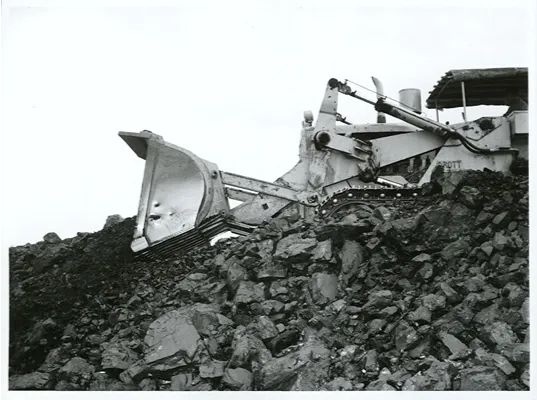
The Coal Gasification Scheme promotes technologies that convert coal and lignite into syngas instead of using them only for direct combustion. During gasification, coal reacts with oxygen, steam, or other agents at high temperatures. The process produces syngas containing mainly hydrogen and carbon monoxide. After processing, syngas can be converted into methanol, ammonia, fertilisers, synthetic natural gas, hydrogen, and other chemicals. This gives coal a new role as an industrial feedstock. It also allows India to extract greater economic value from domestic coal resources.
The government has set a target of 100 million tonnes of annual coal gasification by 2030. However, the scale-up will require suitable technologies, reliable coal supplies, large capital investments and markets for downstream products.
Coal Gasification Scheme: Policy Journey
| Year | Key development | Strategic significance |
|---|---|---|
| 2024 | ₹8,500 crore coal gasification incentive scheme approved | Established the initial government support framework |
| 2025 | Government expanded policy preparations and project development | Built momentum for larger commercial projects |
| 2026 | New scheme approved with ₹37,500 crore outlay | Significantly increased the scale of financial support |
| 2026 | Guidelines, RFP and application process launched | Moved the scheme from policy design towards implementation |
| 2030 | National target of 100 MT coal gasification | Intended to establish large-scale domestic gasification capacity |
Why India Is Betting on Coal Gasification?
The strategy is closely linked to India’s import exposure. The government has highlighted imports of LNG, urea, ammonia and methanol as areas where greater domestic production could improve energy and industrial security. Gasification could therefore create a domestic route for producing important industrial inputs. It could also strengthen links between coal producers and sectors that depend on imported feedstocks.
The economic opportunity is also substantial. The government expects the wider programme to mobilise around ₹2.5–3 lakh crore in investment across 25 projects. It estimates that successful projects could support import substitution worth around ₹1.5 lakh crore annually. However, these benefits are not guaranteed. Gasification plants are capital-intensive and require reliable technology, water and downstream markets. The economics can also change with coal prices, international commodity prices and the cost of competing technologies.
Who Can Apply and What Has the Ministry Clarified?
The Ministry of Coal has moved the programme into its application phase. The Ministry issued guidelines on June 25, 2026, followed by the Request for Proposal on July 7. A pre-application conference on July 20 brought together public-sector companies, private firms, technology providers and potential applicants. The Ministry later released consolidated responses to applicant questions on August 7. These clarifications covered areas such as eligibility, evaluation criteria and financial incentives.
An online application portal was launched on July 29. The Ministry also issued further updates on September 3 concerning the opening of applications and procedures related to bank guarantees and payments. The scheme allows eligible government entities, private companies, project developers and other qualifying participants to participate under the conditions specified in the RFP. The government has also extended coal-linkage tenure for gasification projects to 30 years.
This longer linkage period is important because fuel availability can influence the financing and long-term economics of a gasification plant. Greater supply certainty could make projects easier to structure and finance.
How Will the ₹37,500 Crore Support Work?
The ₹37,500 crore allocation is intended to lower the financial barriers facing large gasification projects. Eligible projects can receive support of up to 20% of the cost of eligible plant and machinery. The government is also using policy incentives beyond direct financial support. Coal used for gasification receives a 50% rebate in revenue share. Together with the longer coal-linkage tenure, this could improve project economics.
The scheme is expected to use around 75 million tonnes of coal. The government believes this support could attract much larger private and institutional investment than the value of the government incentive itself. However, the subsidy does not remove the main commercial risks. Companies still need to secure technology, financing, suitable feedstock and reliable buyers for their products. Project developers will also need to manage construction costs and environmental compliance.
What Coal Gasification Means for India’s Energy Security
The strategic value of gasification lies in its ability to turn domestic coal into multiple industrial feedstocks. Instead of relying on separate imports for chemicals, fertilisers and fuels, India could use syngas as a common starting point for several products. This could create stronger links between the coal, chemical, fertiliser and manufacturing sectors.
The approach could also strengthen India’s industrial resilience. Greater domestic production of key feedstocks would reduce exposure to global supply disruptions and sudden price increases. However, gasification comes with significant environmental challenges. Coal conversion can generate substantial carbon emissions, while large facilities may require considerable water resources. These factors could affect both project costs and long-term sustainability.
Carbon capture, utilisation and storage (CCUS) could therefore become an important part of future projects. Combining gasification with stronger emissions controls could help India pursue industrial growth without undermining its broader clean-energy transition. The key challenge will be finding a workable balance between energy security, industrial competitiveness and environmental responsibility.
What Happens Next for India’s Coal Gasification Push?
The next phase will focus on project selection and execution. The Ministry must assess proposals against technical, financial and other RFP requirements. Technology partnerships will also be crucial, particularly in gasification, syngas processing, downstream chemicals and carbon management. Strong partnerships could help Indian companies develop expertise across the wider gasification value chain.
The programme could also reshape industrial activity around coal-producing regions. Integrated projects combining coal supply, gasification and downstream fertiliser or chemical plants could improve efficiency and reduce logistics costs. If India develops commercially successful projects, the model could attract further investment and encourage other coal-rich developing economies to explore gasification for industrial production.
Ultimately, the Coal Gasification Scheme will be judged by commercial performance rather than approvals alone. Projects must overcome financing, technology, market and environmental challenges before reaching full-scale operation. If they succeed, India could build a stronger coal-to-chemicals industry and improve supply-chain resilience. The outcome will determine whether coal can take on a broader industrial role alongside its traditional position in power generation.
What is the Coal Gasification Scheme?
The Coal Gasification Scheme is a government programme that provides financial support for surface coal and lignite gasification projects.
How much money has the government allocated?
The government has approved a total financial outlay of ₹37,500 crore for the scheme.
What products can coal gasification produce?
Gasification can produce syngas, which can be processed into methanol, synthetic natural gas, fertilisers, hydrogen and other chemicals.
What is India’s coal gasification target for 2030?
India has set a national target of 100 million tonnes of coal gasification by 2030.
Why is the scheme strategically important?
It could reduce import dependence, strengthen domestic industrial supply chains and improve India’s energy security. However, environmental and commercial challenges remain.