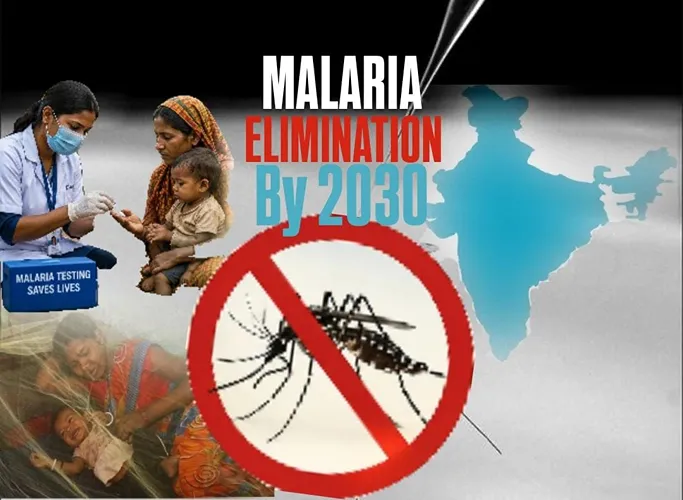

India’s fight against malaria has reached a critical stage. The country has sharply reduced its malaria burden over the past decade, but eliminating the disease entirely is a much harder task. As the Union Health Ministry reviews progress towards the malaria elimination 2030 target, the focus is shifting from reducing cases to stopping local transmission and preventing malaria from returning.
India’s progress has been supported by better surveillance, early diagnosis, treatment and mosquito-control measures. Yet it continues to affect vulnerable populations, particularly communities in remote, forested and tribal areas. These remaining pockets of transmission could determine whether India achieves its 2030 ambition.
The distinction between control and elimination is important. Controlling malaria means reducing cases and deaths, while elimination requires interrupting indigenous transmission and preventing its re-establishment. India’s National Framework for Malaria Elimination (NFME)2016–2030 provides the roadmap for reaching that goal.
- Praggnanandhaa Wins Grand Chess Tour in Stunning Comeback
- Kanpur Training Aircraft Crash: What It Reveals About India’s Pilot Training Safety
- Undersea Cables: The Silent Battlefield of the Next Digital War
- Census 2027: The Powerful Count That Could Change India
- India-EU CBAM: 5 Critical Risks and Trade Safeguards
India’s Malaria Progress Enters a Critical Phase
India’s malaria burden has declined substantially over the past decade. The government’s strategy has increasingly centred on detecting infections early, providing effective treatment and targeting mosquito-control measures at areas where transmission remains high.
The National Centre for Vector Borne Diseases Control (NCVBDC) is responsible for coordinating India’s national programme against malaria and other vector-borne diseases. Its responsibilities include surveillance, diagnosis, treatment, vector control and technical support to states and Union Territories.
The country’s progress is clear when longer-term trends are examined. NCVBDC data show reported malaria cases falling from approximately 1.13 million in 2015 to about 3.38 lakh in 2019. Reported cases remained comparatively low in subsequent years, at around 1.86 lakh in 2020, 1.61 lakh in 2021 and 1.73 lakh in 2022. They rose to approximately 2.27 lakh in 2023, demonstrating that declining transmission does not automatically mean the disease has disappeared.
India’s malaria burden at a glance
| Year | Cases | Deaths | Source |
|---|---|---|---|
| 2015 | 1.13 million | 384 | NCVBDC |
| 2019 | 3.38 lakh | 77 | NCVBDC |
| 2020 | 1.86 lakh | 93 | NCVBDC |
| 2021 | 1.61 lakh | 90 | NCVBDC |
| 2022 | 1.73 lakh | 83 | NCVBDC |
| 2023 | 2.27 lakh | 83 | NCVBDC |
| 2024 | 2.55 lakh | 86 | NCVBDC |
| 2025 | 2.339 lakh | 76 | NCVBDC |
How India Is Fighting Malaria
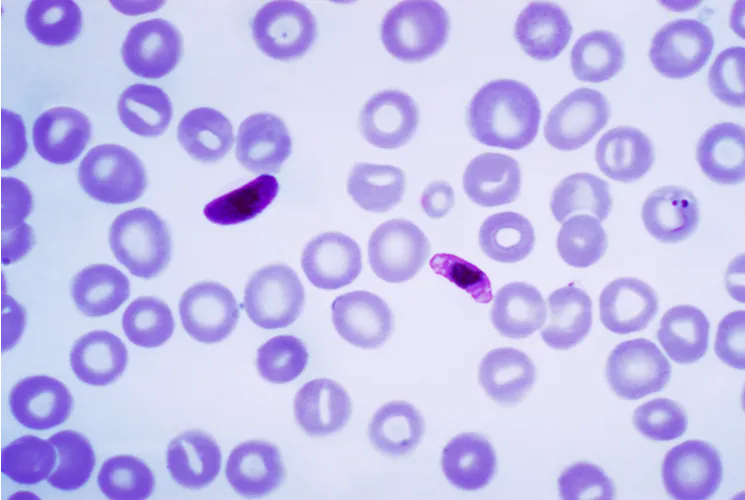
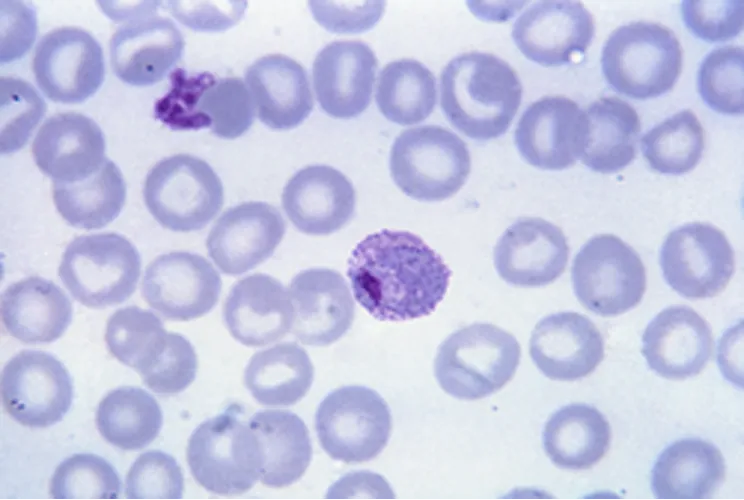
India’s strategy rests on three broad pillars: early diagnosis, effective treatment and vector control. Early diagnosis allows patients to receive timely care while helping health authorities investigate possible transmission nearby. The programme uses microscopy and rapid diagnostic tests, making detection possible even in areas without advanced laboratory facilities.
Treatment is particularly important because India faces infections from both Plasmodium falciparum and Plasmodium vivax. The former can cause severe disease, while the latter can relapse because dormant parasites remain in the liver. Appropriate treatment and completion of the prescribed course are therefore essential, while monitoring drug effectiveness helps identify emerging resistance.
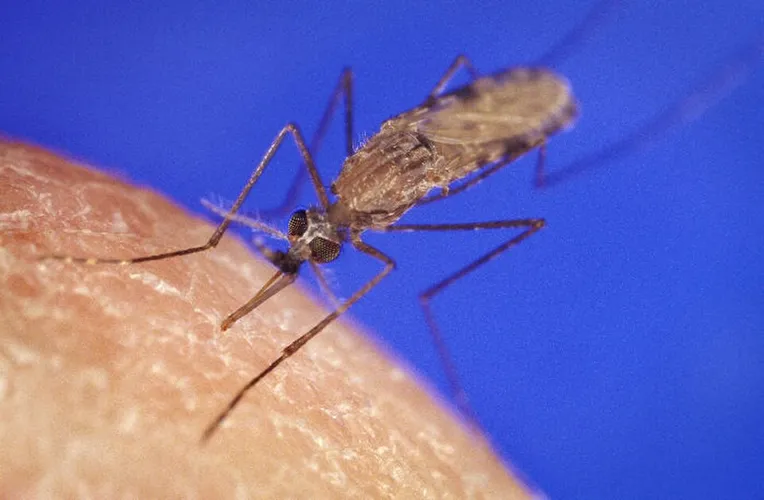
The third pillar is mosquito control, including long-lasting insecticidal nets and indoor residual spraying in high-risk areas. Other measures can be adapted to local conditions. The approach is also becoming more targeted, with resources directed towards districts and communities where transmission remains significant. Community participation is equally important, particularly in remote areas where health workers can help people recognise symptoms and seek testing promptly. These measures have helped reduce India’s disease burden. The next challenge is to detect and stop the infections that remain before they sustain further transmission.
Why the Last Mile Could Decide the 2030 Target
The disease is not distributed evenly across India. Remaining transmission is concentrated in specific regions and vulnerable communities, particularly remote settlements, forested areas and places with limited healthcare access. This makes elimination difficult. When transmission is widespread, patterns are easier to identify, but when cases become rare, even a single infection can be significant. It may be an isolated imported case or a sign of continued local transmission, making surveillance increasingly important.
Population movement adds another challenge. Migrant and mobile communities can carry infections between regions, while cross-border movement can complicate efforts in neighbouring areas. The parasites themselves also present different risks: P. falciparum can cause severe disease, while P. vivax can relapse because it remains dormant in the liver. Drug and insecticide resistance could further weaken treatment and prevention measures. The final stage, therefore, is not simply about more resources but about faster detection, reaching hard-to-access communities and responding quickly to every remaining transmission cluster.
As the disease becomes less visible, complacency could also undermine progress. India will need sustained political, financial and administrative commitment to ensure that declining transmission does not lead to its return.
Climate Change Adds Another Layer of Uncertainty
Environmental changes could complicate India’s malaria-elimination effort. Temperature, rainfall and humidity all influence mosquito breeding and malaria transmission. Changes in these conditions could alter where and when its vectors are able to survive. Flooding and intense rainfall can create temporary mosquito-breeding sites, while changing temperatures can affect mosquito development and parasite transmission.
However, climate change should not be presented as the sole explanation for malaria trends. Transmission is also influenced by healthcare access, land use, population behaviour, mosquito-control measures and surveillance. For India, the key requirement is adaptability. If environmental conditions change malaria transmission patterns, surveillance systems need to detect those changes quickly.
Other risks include urbanisation, migration and changing mosquito habitats. Drug and insecticide resistance could also reduce the effectiveness of existing interventions. Perhaps the greatest danger is assuming that a sharp decline in cases means malaria has been permanently defeated. Elimination requires surveillance to continue even when it becomes rare. India will need to identify remaining infections quickly, investigate transmission and ensure that communities that have achieved low or zero transmission do not experience a resurgence.
Can India Eliminate Malaria by 2030?
India has strong reasons to remain optimistic about its malaria elimination campaign. The steady decline in malaria cases over the past decade, combined with improvements in diagnosis, treatment, surveillance and vector control, has strengthened the country’s ability to tackle the disease.
However, the malaria elimination 2030 target remains a major challenge. Remaining infections are increasingly concentrated in remote and hard-to-reach communities, where access to healthcare and regular surveillance can be difficult. Migration, cross-border transmission, drug resistance, insecticide resistance and changing environmental conditions could also create new challenges.
The final stage of elimination will require India to identify and respond to every remaining pocket of transmission. This means strengthening local surveillance, ensuring rapid diagnosis and treatment, and maintaining targeted mosquito-control measures even in areas where malaria cases have become relatively uncommon.
The success of the campaign will ultimately be measured not only by a continued decline in cases, but by India’s ability to interrupt indigenous transmission and prevent malaria from returning. If current progress is sustained and remaining high-risk areas receive focused attention, India can move significantly closer to achieving its 2030 malaria elimination goal.
India has already made substantial progress in its fight against malaria. The bigger challenge now is ensuring that the last pockets of transmission are eliminated and that they stay eliminated.
What is India’s target for malaria elimination?
India has set a national target of malaria elimination by 2030 under the NFME 2016–2030.
How has India reduced its malaria burden?
India has reduced malaria through early diagnosis, effective treatment, disease surveillance, mosquito-control measures and the use of insecticide-treated nets in high-risk areas.
Why is the last stage of malaria elimination difficult?
Remaining cases are often concentrated in remote, forested and vulnerable communities, making detection and treatment more difficult. Migration and cross-border transmission can also sustain infections.
What are the main malaria parasites found in India?
The two major parasites in India are Plasmodium falciparum and Plasmodium vivax. They require different approaches to treatment and disease management.
Can India achieve malaria elimination by 2030?
India has made significant progress, but achieving the target will require continuous surveillance, rapid diagnosis, effective treatment and sustained mosquito-control measures, particularly in high-risk areas.