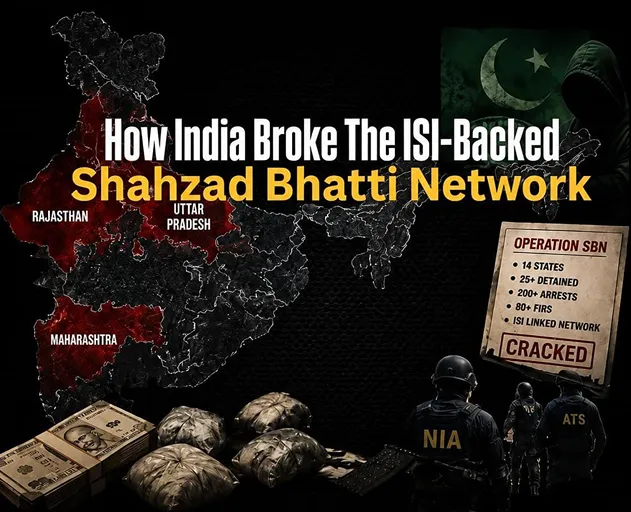

The Shahzad Bhatti Network has emerged as a major focus of India’s counter-terrorism operations in 2026. Security agencies launched a coordinated crackdown across 14 states, targeting an alleged Pakistan-based terror-crime network just days before Independence Day. According to the Union Home Ministry, the August 12 operation resulted in 253 detentions, more than 80 FIRs and over 200 arrests, as authorities moved to prevent suspected subversive activities around August 15.
The significance of the operation lies in the alleged structure of the network. Investigators were not simply targeting a conventional terrorist organisation, but a wider terror-crime ecosystem involving Pakistan-based handlers, organised criminals, weapons and narcotics networks, social-media recruitment and local operatives. Earlier investigations by agencies including the NIA and state police had reportedly helped uncover links between Pakistan-based handlers and suspects across several Indian states.
The crackdown also carried a strong political and geopolitical message. Home Minister Amit Shah said the Modi government had destroyed the alleged ISI-backed Shahzad Bhatti Network and foiled its plans ahead of Independence Day. However, while the operation represents a major disruption, the network’s full structure, overseas connections and alleged ISI involvement will need to be established through continuing investigations and judicial proceedings.
Shahzad Bhatti Network: Structure and Role

The Shahzad Bhatti Network is described by Indian agencies as a Pakistan-based terror-crime network allegedly led by gangster-turned-terror operative Shahzad Bhatti. Investigators have linked the network to alleged social-media recruitment, weapons and ammunition smuggling, narcotics trafficking, reconnaissance, targeted killings, explosives and local logistical support.
Unlike traditional cross-border terrorism, the alleged network reportedly relies on Indian recruits and criminal intermediaries rather than only trained militants entering India. This structure can provide Pakistan-based handlers with greater operational distance while using existing criminal networks for logistics and recruitment.
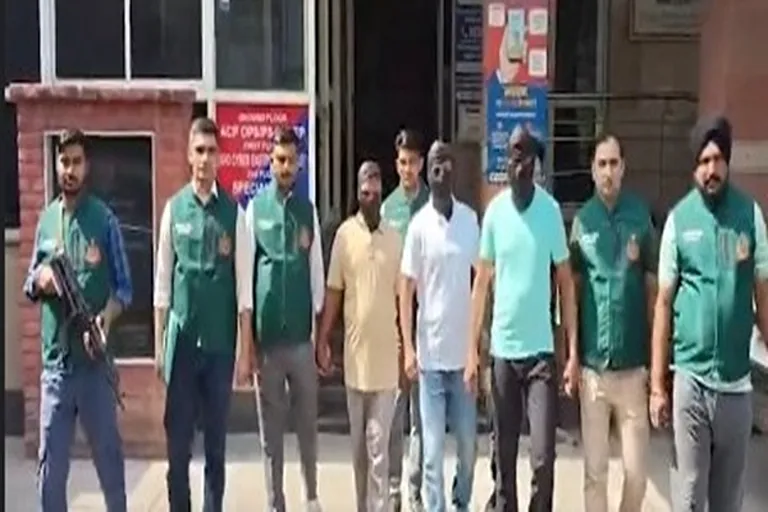
The NIA has investigated multiple Pakistan-based terror-gangster cases linked to Bhatti. On June 9, 2026, it searched 18 locations across Punjab and Haryana, helping uncover the wider network that later became the focus of the nationwide crackdown. Investigators have also linked Bhatti to Ajmal Gujjar, who is alleged to have played a role in the network’s smuggling and logistical operations.
How the Bhatti Network Allegedly Operated
The alleged Shahzad Bhatti Network (SBN) combined criminal networks with social-media recruitment. Indian agencies allege that Pakistan-based handlers contacted Indian youths online, offering money and assigning tasks such as reconnaissance and logistical support.
The Uttar Pradesh ATS has investigated alleged recruitment through social media, while the Maharashtra ATS examined more than 200 people who reportedly interacted with Pakistan-based gangster accounts. Investigators are assessing whether these contacts developed into recruitment or operational support.
The alleged process could move from online contact to financial inducement, reconnaissance and eventually operational activities. However, social-media interaction alone does not prove terrorist involvement. Agencies must establish links through communications, financial records, digital evidence and physical activities.
How India Dismantled the Shahzad Bhatti Network
The crackdown on the Shahzad Bhatti Network followed months of coordinated intelligence gathering rather than a single operation. Agencies mapped alleged links between Pakistan-based handlers, Indian criminal networks and suspected recruits, while examining communication patterns, financial trails and local intelligence.
The investigation gradually expanded as central and state agencies built a broader picture of the alleged network. The NIA, Delhi Police, Uttar Pradesh ATS and Maharashtra ATS pursued separate leads involving suspected terror links, recruitment and criminal activity.
These efforts eventually led to the nationwide crackdown in August. Central and state agencies coordinated their operations to disrupt the network and prevent potential threats around Independence Day. The operation also highlighted concerns about the alleged spread of Pakistan-linked terror networks beyond India’s border regions.
Shahzad Bhatti Network: Key Timeline and Crackdown Data
| Date / Period | Agency / Development | Key Detail |
|---|---|---|
| 9 June 2026 | NIA | Searches at 18 locations in Punjab and Haryana in three Bhatti-linked cases |
| June 2026 | Delhi Police | 7 alleged operatives arrested in a Pakistan-linked terror-crime investigation |
| June–July 2026 | State ATS units | Investigations into alleged recruitment, social-media contacts and operational links |
| 12 August 2026 | Central & State agencies | Coordinated crackdown across 14 states |
| 12 August 2026 | Security agencies | 253 people detained and 80+ FIRs reported |
| August 2026 | Overall investigation | 200+ arrests reported in connection with the wider network |
| 15 August 2026 | Security objective | Authorities aimed to prevent alleged subversive activities around Independence Day |
The geographical spread of the August operation was particularly significant. Uttar Pradesh, Haryana, Delhi and Punjab accounted for the largest number of detentions, while Rajasthan, Maharashtra and several other states also featured in the investigation. This distribution suggests that agencies were examining the alleged network as a national terror-crime structure, rather than a problem confined to India’s border regions.
Amit Shah: “Amit Shah: “Modi Government Destroyed” SBN
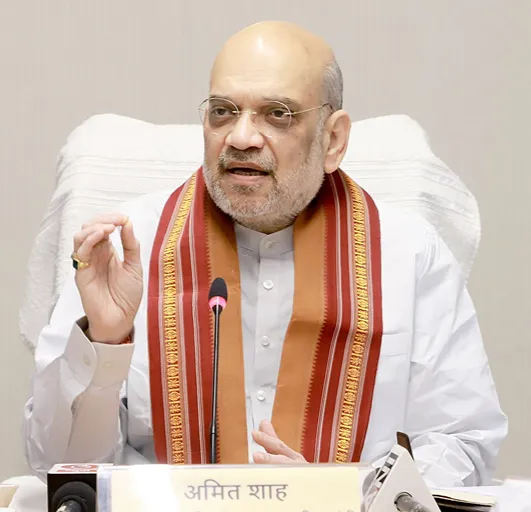
Home Minister Amit Shah described the crackdown as a major success against the alleged ISI-backed Shahzad Bhatti Network. He said the Modi government had dismantled the network ahead of Independence Day and foiled its alleged plans for subversive activities.
Shah’s statement highlights the government’s zero-tolerance approach to terrorism and its growing focus on intelligence-led preventive action. Instead of waiting for an attack, agencies sought to identify and disrupt the alleged network before it could execute its plans.
However, the term “destroyed” needs context. The arrests represent a major disruption, but they do not automatically prove that every part of the network has been eliminated. The continuing investigation will determine whether overseas handlers, financial channels and remaining operatives have also been neutralised.
SBN and the Emerging Hybrid Terror Threat
The alleged ISI connection gives the Shahzad Bhatti Network wider geopolitical significance. Indian agencies accuse Pakistan’s intelligence service of supporting the network, while Pakistan has rejected the allegations.
The case also highlights the growing overlap between terrorism, organised crime and intelligence operations. The alleged use of social-media recruitment, criminal networks, weapons, narcotics, drones and foreign handlers creates a flexible structure that can be harder to detect. For India, this underscores the need for stronger intelligence sharing, digital surveillance and coordination between central and state security agencies.
What the SBN Crackdown Means for India
The Shahzad Bhatti Network crackdown could further strain India-Pakistan relations, particularly if investigators establish the alleged ISI connection through evidence in court. Pakistan has rejected the allegations, while India is likely to use the investigation to reinforce its concerns over cross-border terror networks and Pakistan-based handlers.
More importantly, the operation highlights the growing challenge of hybrid terrorism, where organised crime, social media, weapons trafficking, narcotics and foreign handlers can overlap. Amit Shah’s claim that the network was “destroyed” reflects the government’s confidence in the crackdown, but the real test lies ahead. Investigators must still trace the network’s financing, overseas handlers, recruitment channels, weapons supply and remaining operatives.
If these investigations confirm that the network’s command structure and support infrastructure have been effectively dismantled, the crackdown could become a significant counter-terrorism success for India. However, if surviving operatives or overseas handlers remain active, parts of the network could attempt to rebuild underground, making continued intelligence sharing and surveillance essential.
What is the Shahzad Bhatti Network?
The Shahzad Bhatti Network is the name used by Indian authorities for a Pakistan-based terror-crime network allegedly operated by gangster Shahzad Bhatti. Investigators have linked it to recruitment, weapons, narcotics, reconnaissance and planned attacks.
How many people were detained in the 2026 SBN crackdown?
Authorities reported 253 detentions across 14 states during the August 12 operation. More than 80 FIRs were registered, with more than 200 arrests reported.
Who is Shahzad Bhatti?
Shahzad Bhatti is a Pakistan-based gangster whom Indian agencies accuse of becoming involved in cross-border terror operations. Investigators have linked him with networks involved in recruitment, weapons, and alleged attacks.
What did Amit Shah say about SBN?
Amit Shah said the Modi government had destroyed the ISI-backed Shahzad Bhatti Network before Independence Day. He also said the operation thwarted plans for subversive attacks.
Has the entire Bhatti network been eliminated?
The August crackdown appears to have significantly disrupted the network. However, whether it has been eliminated will depend on continuing investigations, arrests, forensic evidence and court proceedings.